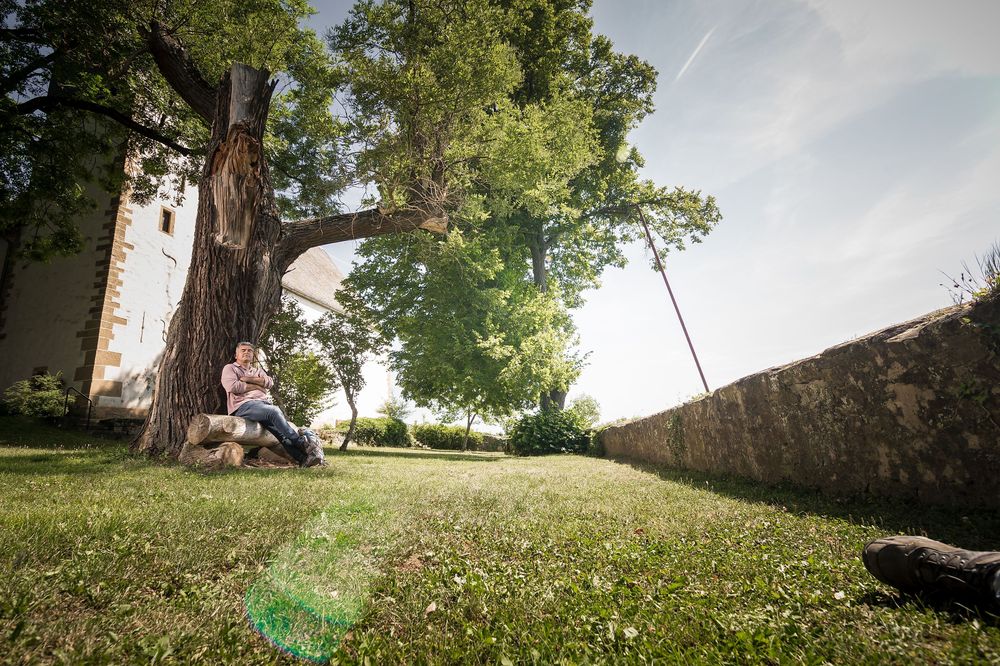
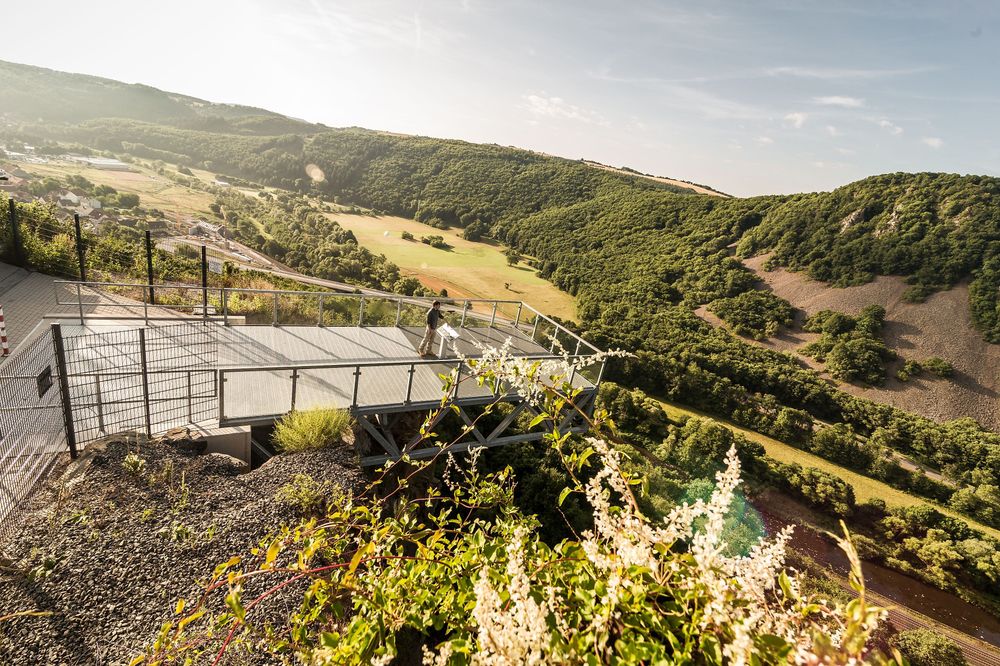
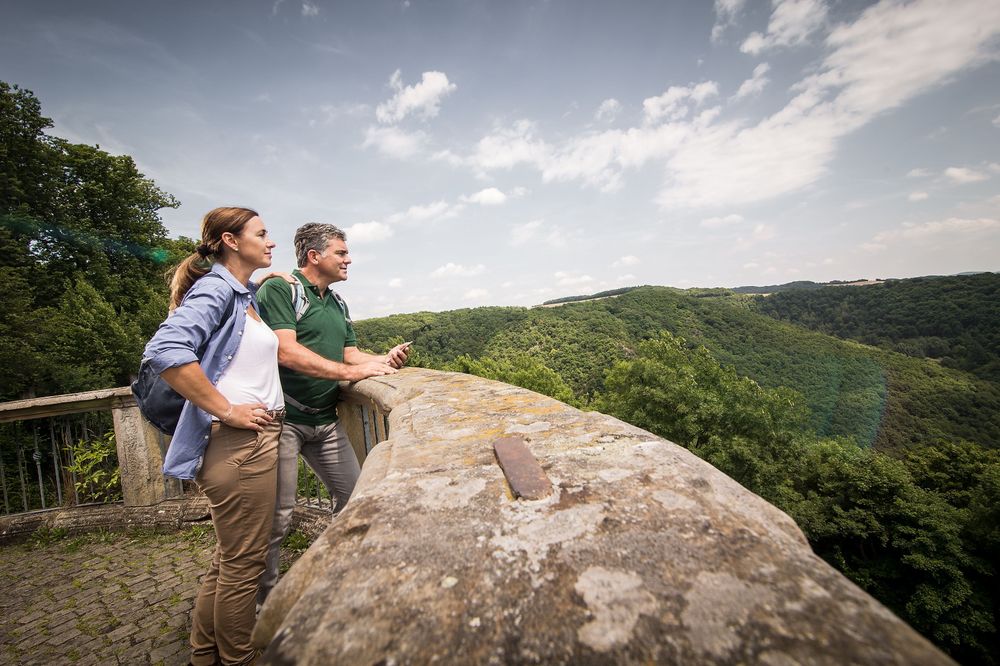
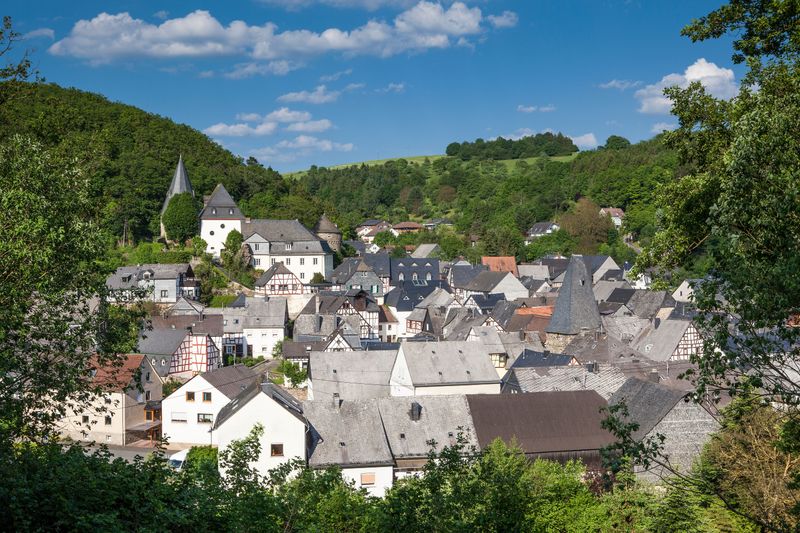
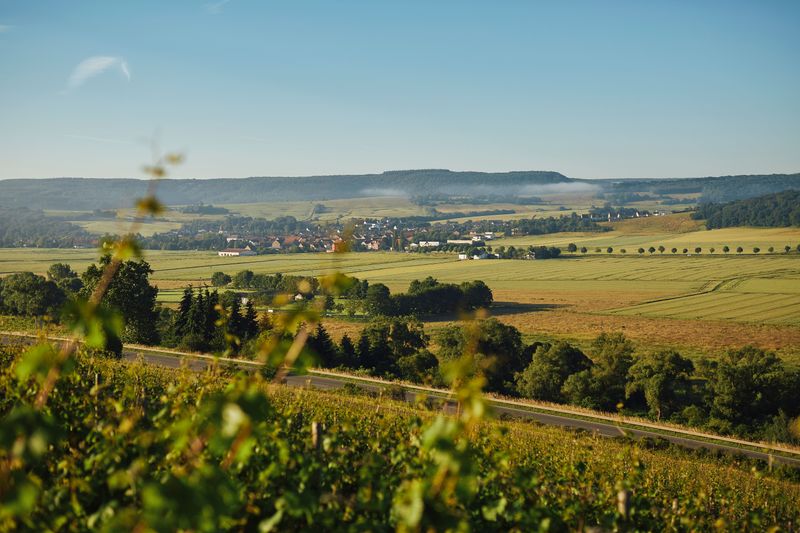
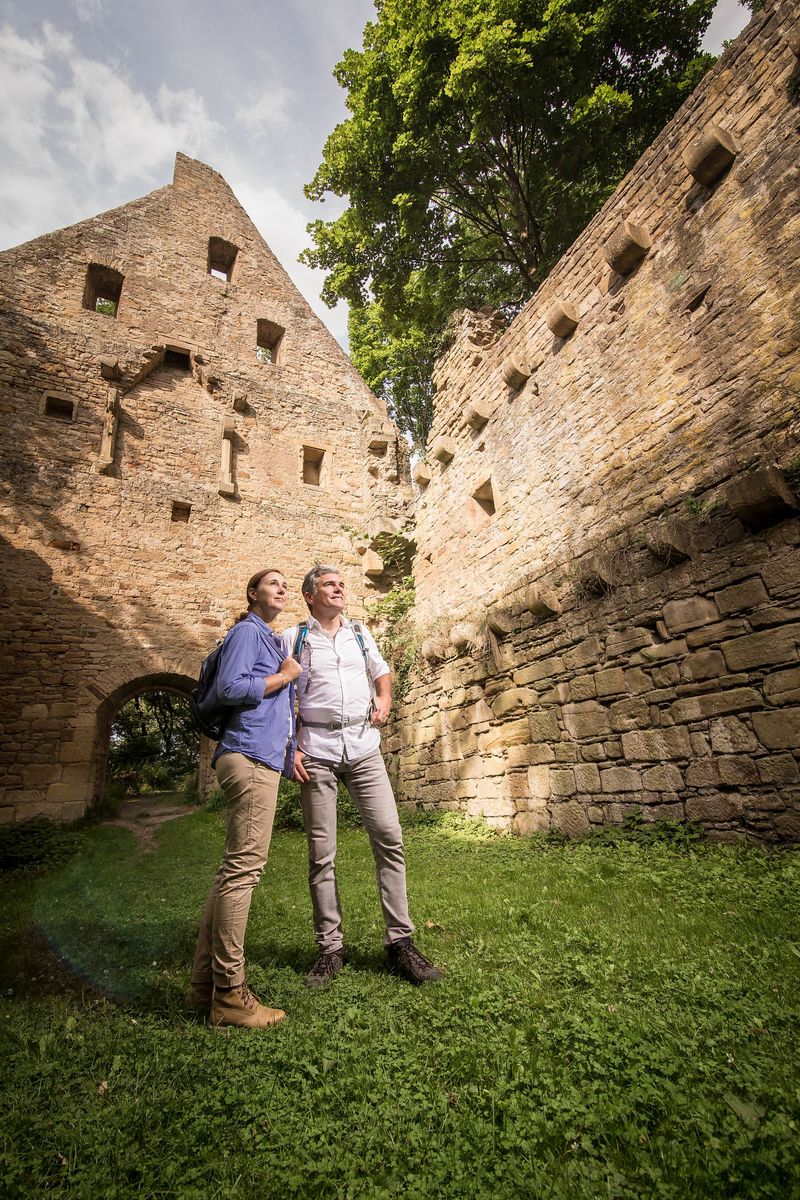
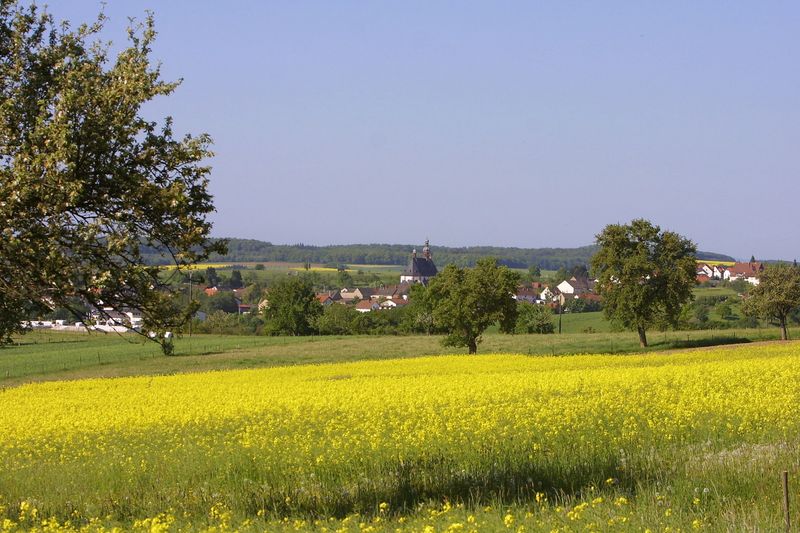
The path is characterized by forests, open views, and the thrill of the Nahe-Skywalk in St. Johannisberg, as well as the wine landscape of the upper Nahe. A total of nine information boards along the stage provide information about Hildegard, her work, and life in the Middle Ages.
Hildegard von Bingen Pilgrimage Trail
Hildegard von Bingen, abbess, poet, theologian, naturalist, and healer, lived her entire life in today's Nahe vacation region.
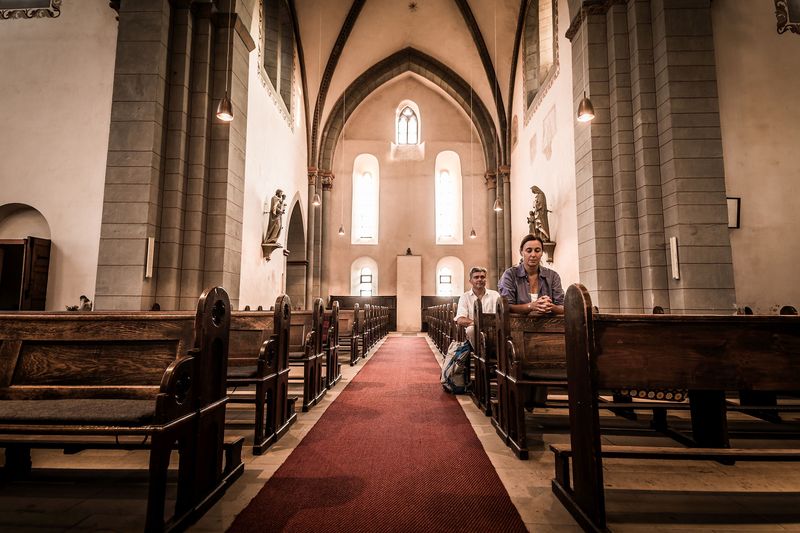
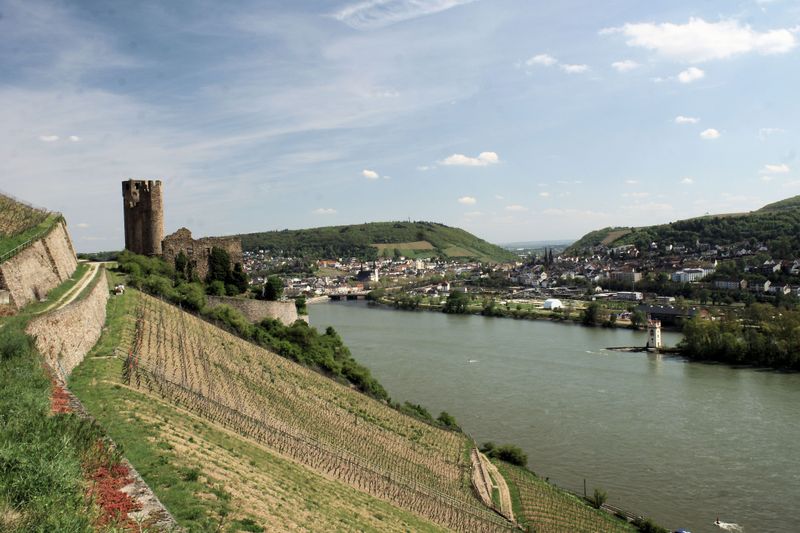
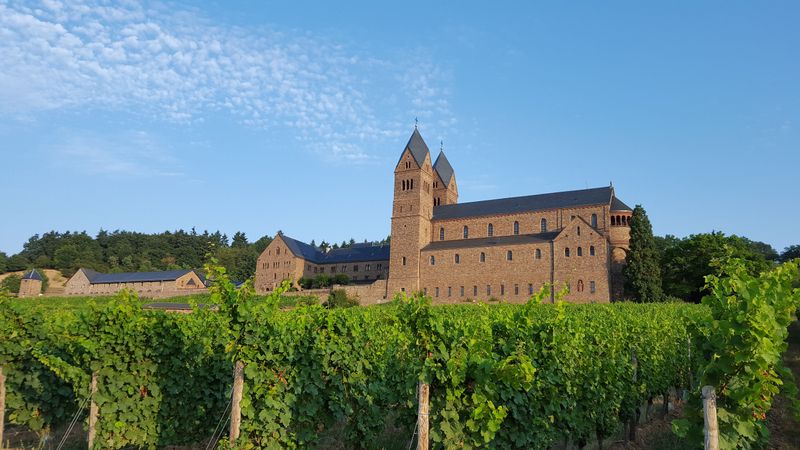
The 137-kilometer-long Hildegard von Bingen Pilgrimage Trail passes various life stations of this probably most famous personality of the Middle Ages. The trail starts in Idar-Oberstein and continues through Niederhosenbach, the family seat and possible birthplace of Hildegard von Bingen, to Bad Sobernheim. Not far from here is the Disibodenberg monastery ruin, where Hildegard spent almost 40 significant years of her life. The pilgrimage trail finally ends in Bingen on the Rhine. Here, the Rupertsberg vaulted cellar still bears witness to Hildegard von Bingen's last place of work: In 1150, the saint founded the Rupertsberg monastery, which was her place of creation for 29 years. The last stations of this ecumenical pilgrimage trail are the Hildegard shrine in the pilgrimage church of St. Hildegard Rüdesheim-Ebingen and the Abbey of St. Hildegard Ebingen.
58 information and meditation boards along the entire route provide information about Hildegard's person, her work, and life in the Middle Ages. The spiritual side of Hildegard von Bingen is approached by hikers through meditation boards that follow visionary images from her main work "Silvias - Know the Ways" and provide impulses for meditation. The boards are written in both German and English.
The pilgrimage pass can be stamped at Naheland-Touristik GmbH, tourist information centers, gastronomy and accommodation businesses, various way stations, and finally at the Abbey of St. Hildegard in Eibingen.
Short biography of St. Hildegard von Bingen
1098: Birth of Hildegard von Bingen, probably in Niederhosenbach near Herrstein
1112: Entry into the Disibodenberg monastery near Bad Sobernheim, together with Jutta von Sponheim
1136: Hildegard von Bingen becomes the second magistra in the Disibodenberg monastery after the death of Jutta von Sponheim
around 1150: Foundation of a women's monastery in Bingen on the Rhine
1165: Foundation of a second women's monastery in Eibingen, the present pilgrimage church of St. Hildegard Rüdesheim-Eibingen
September 17, 1179: Hildegard von Bingen dies in Bingen on the Rhine
May 10, 2012: Canonization of Hildegard von Bingen by Pope Benedict XVI
October 7, 2012: Elevation to Doctor of the Church