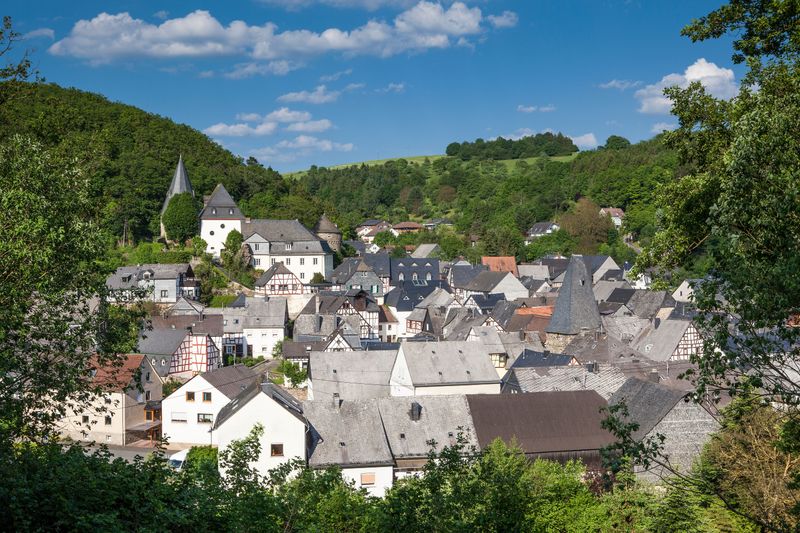
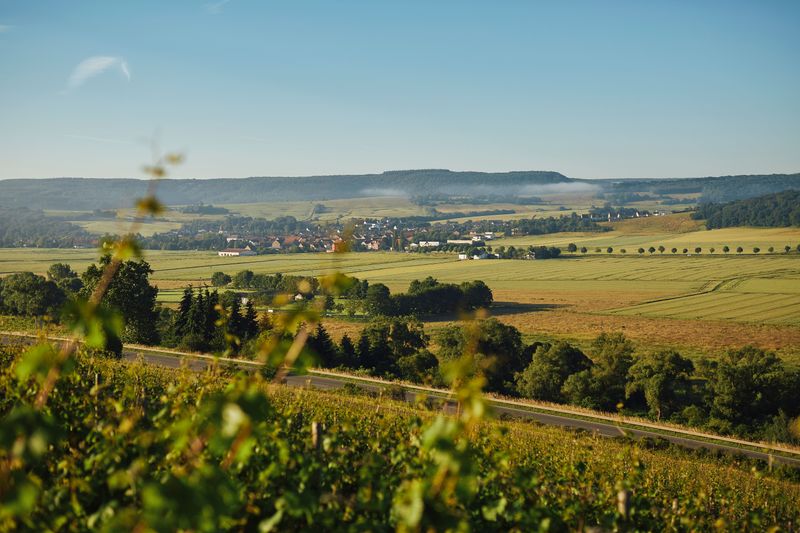
In the 12th century, the Sponheimers founded the Sponheim Monastery. Here, the humanist and abbot Johannes Trithemius of Sponheim (1462-1516) is remembered, who repeatedly referred to Hildegard of Bingen, whom he revered, in his historical writings and significantly contributed to her fame. A total of six information boards accompany the path to Braunweiler, a small wine-growing village in the southern foothills of the Soonwald-Nahe Nature Park.
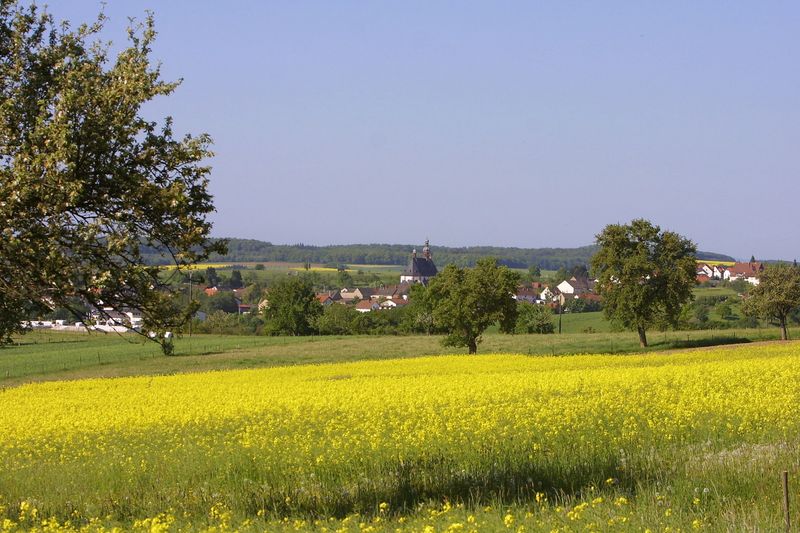
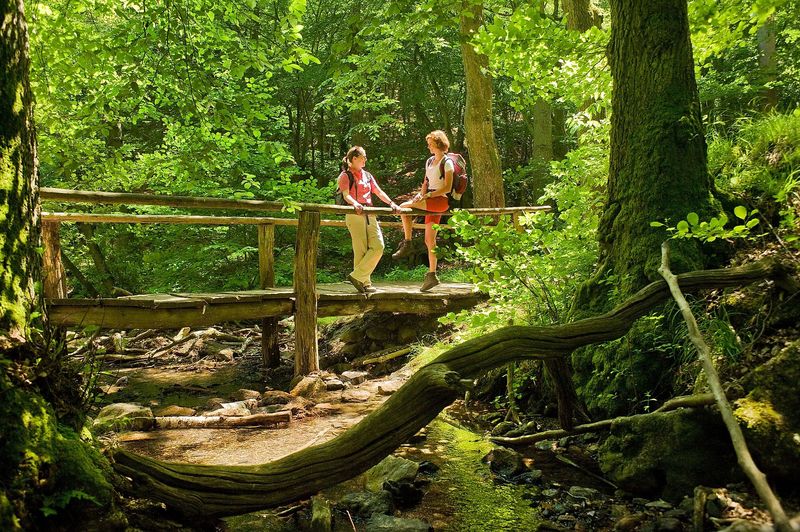
The easy tour through vineyards, forests, and small valleys leads through a landscape that appears untouched by the hustle and bustle of everyday life.
Pilgrimage Trail of Hildegard of Bingen
Hildegard of Bingen, abbess, poet, theologian, naturalist, and healer, lived her entire life in the present Nahe vacation region.
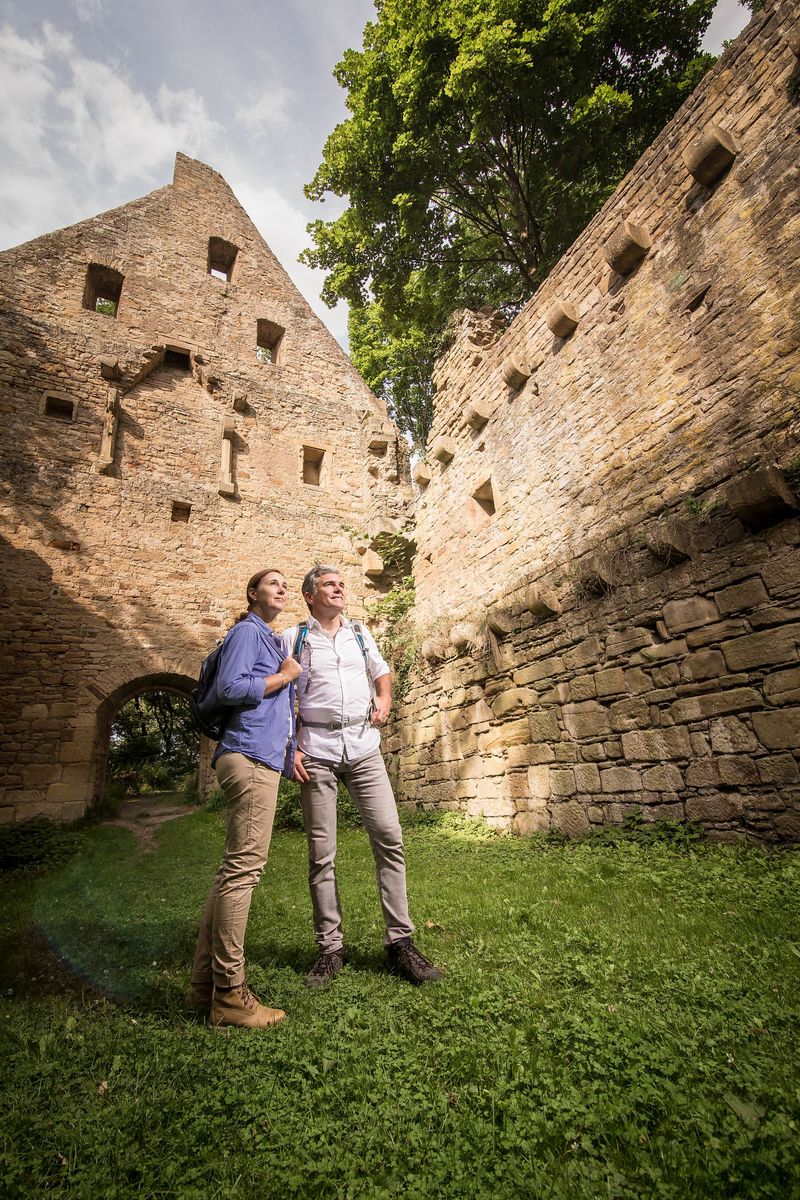
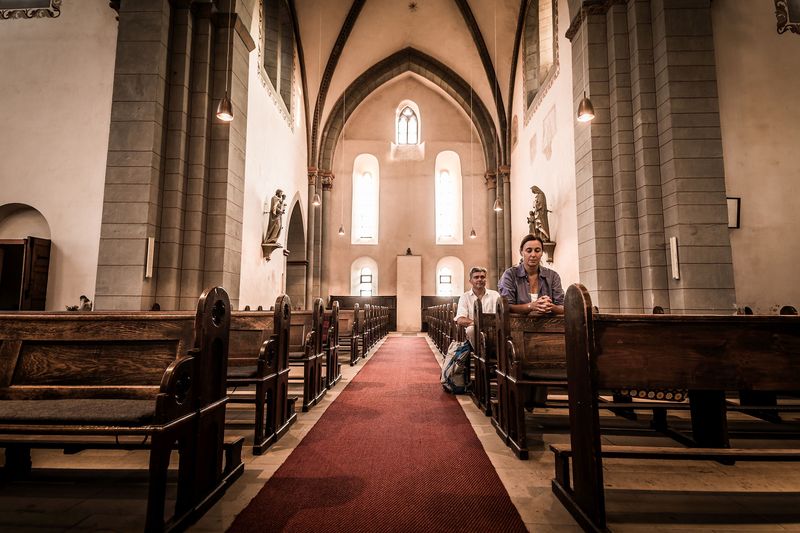
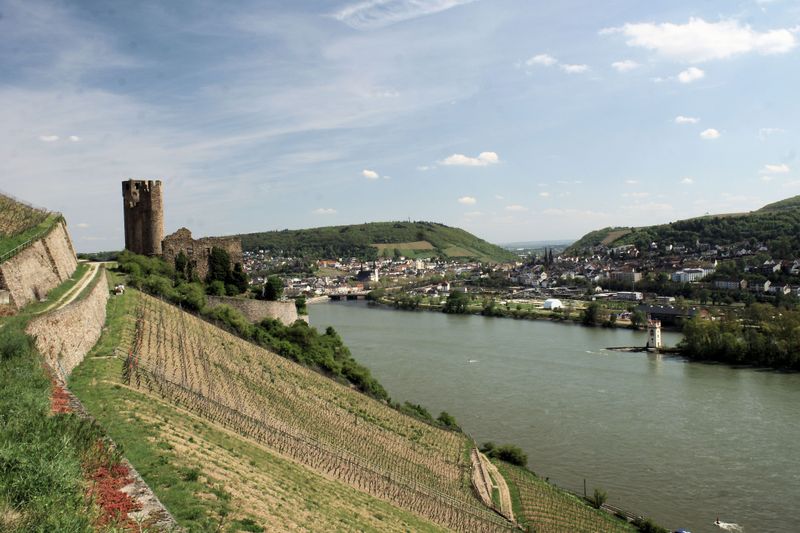
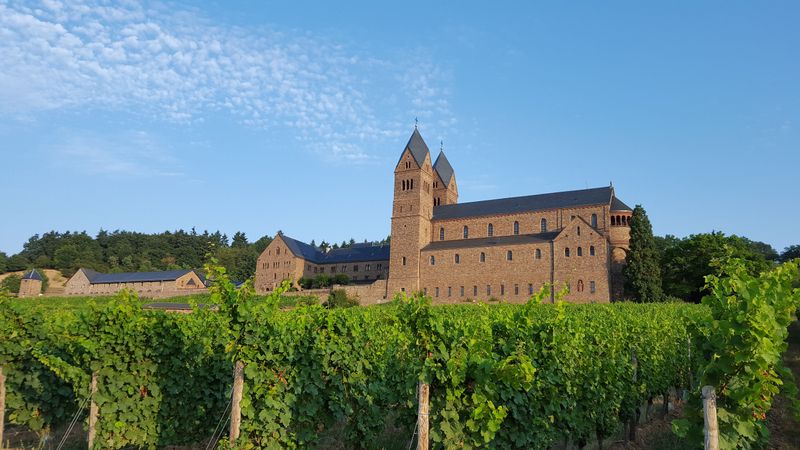
The 137-kilometer-long Pilgrimage Trail of Hildegard of Bingen passes various life stations of this probably most famous personality of the Middle Ages. The trail starts in Idar-Oberstein and continues through Niederhosenbach, the family seat and possible birthplace of Hildegard of Bingen, to Bad Sobernheim. Not far from here is the Disibodenberg Monastery Ruins, where Hildegard spent almost 40 significant years of her life. The pilgrimage trail finally ends in Bingen am Rhein. Here, the Rupertsberg vaulted cellar still bears witness to the last place of work of Hildegard of Bingen: In 1150, the saint founded the Rupertsberg Monastery, which was her place of creation for 29 years. The last stations of this ecumenical pilgrimage trail are the Hildegard shrine in the pilgrimage church of St. Hildegard Rüdesheim-Ebingen and the Abbey of St. Hildegard Ebingen.
59 information and meditation boards along the entire route provide information about Hildegard's person, her work, and life in the Middle Ages. The spiritual side of Hildegard of Bingen is approached by hikers through meditation boards that follow Hildegard of Bingen's visionary images from her main work