4th Stage Hildegard von Bingen Pilgrimage Trail: Monzingen - Disibodenberg

Monzingen – Nussbaum – Bad Sobernheim – Staudernheim - Disibodenberg This section leads into...

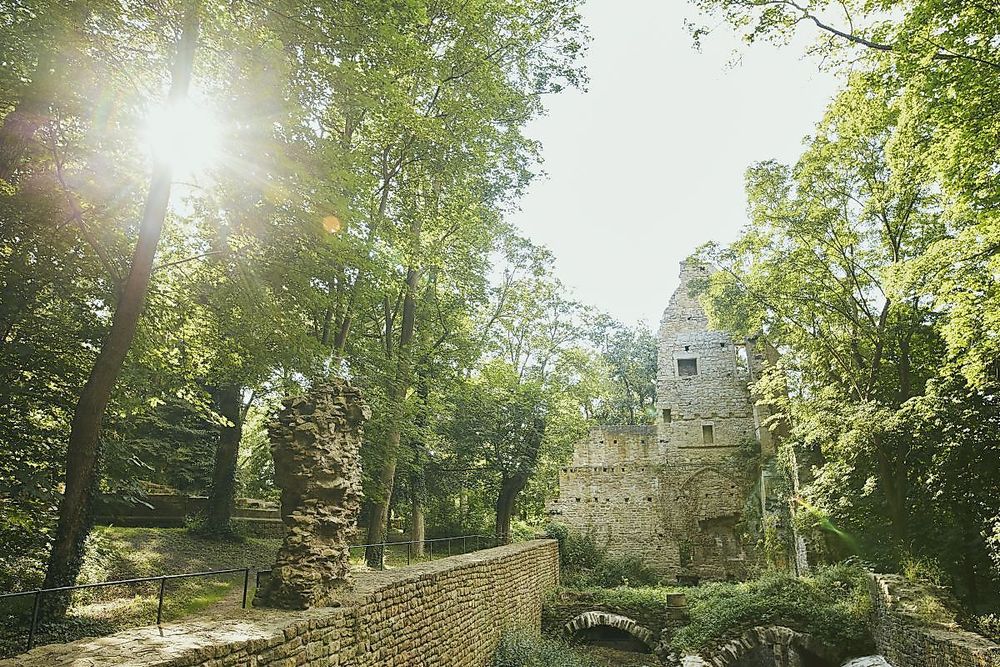
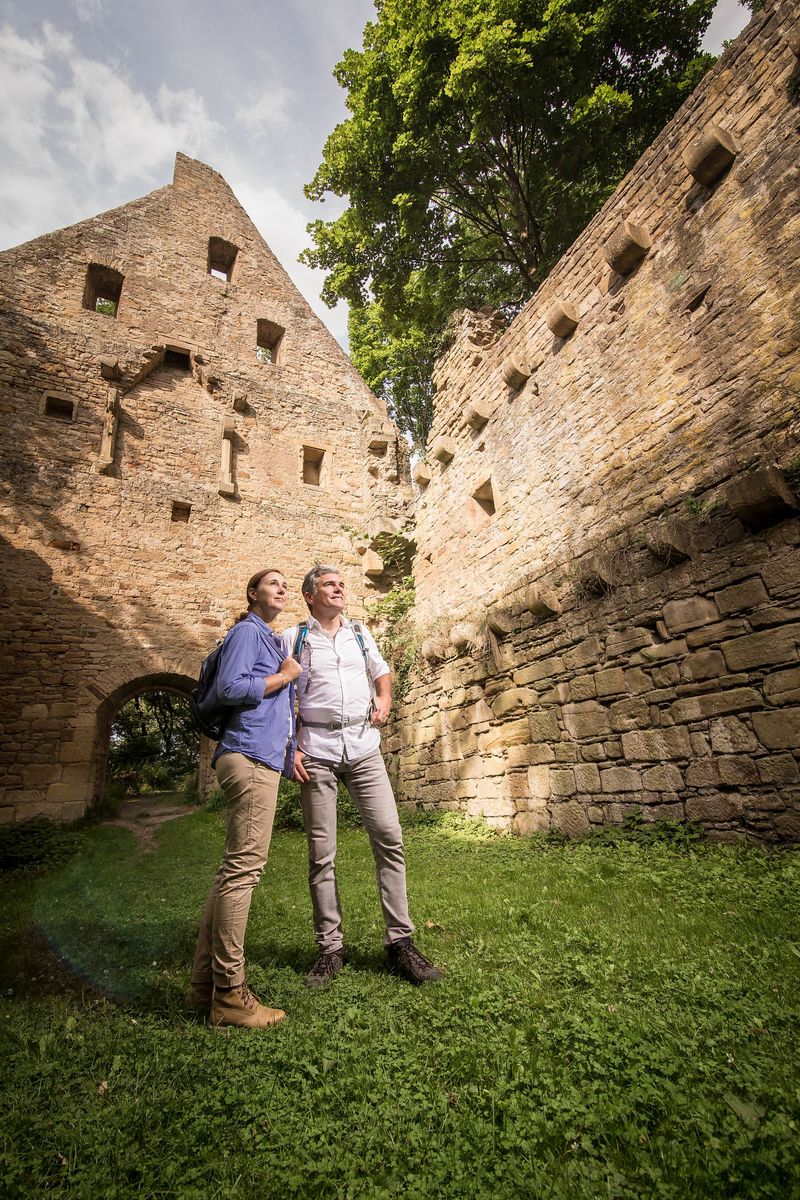
The Disibodenberg, where Hildegard of Bingen spent almost half of her life, is actually located in the middle of the path. Several information boards along the way are dedicated to Hildegard's healing practices. This is primarily due to the natural healer Emanuel Felke (1856 - 1926).

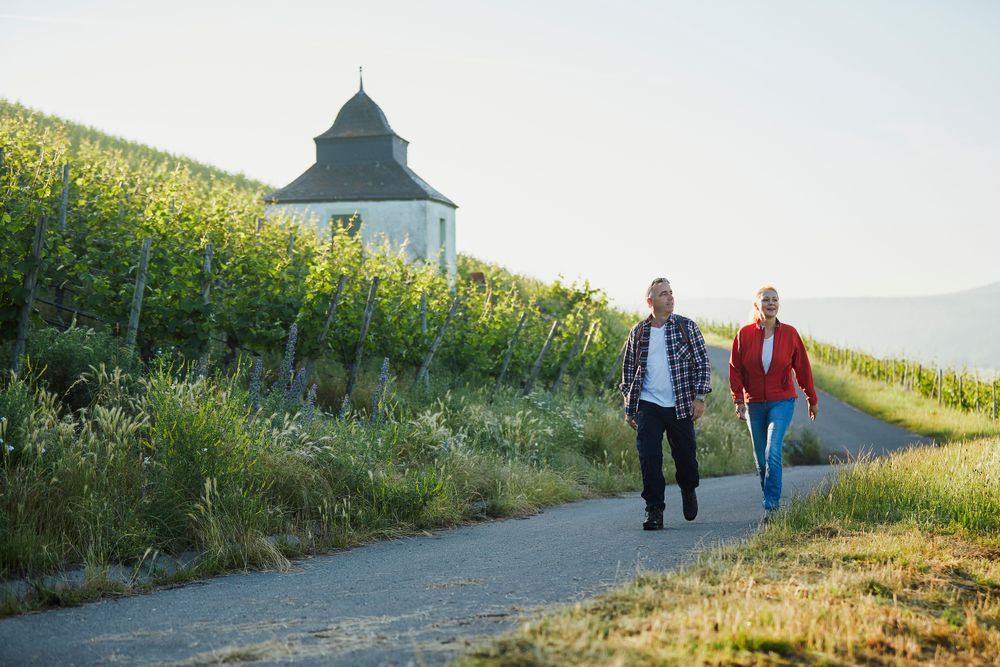
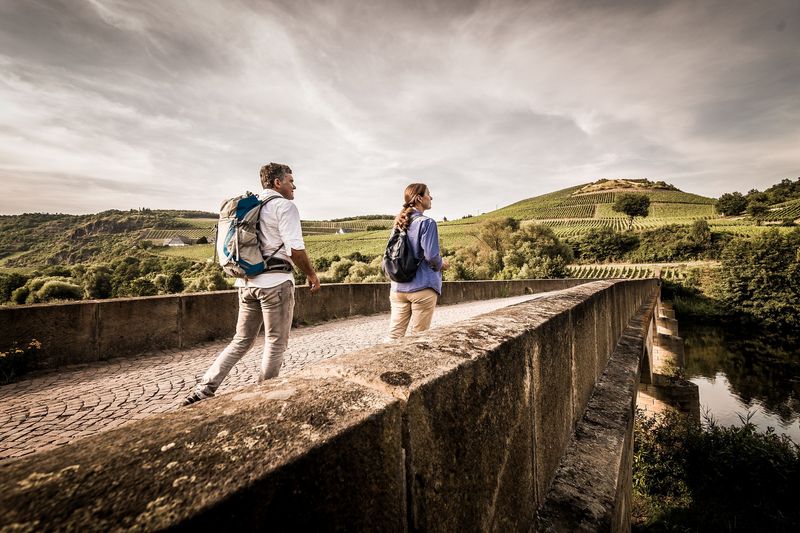
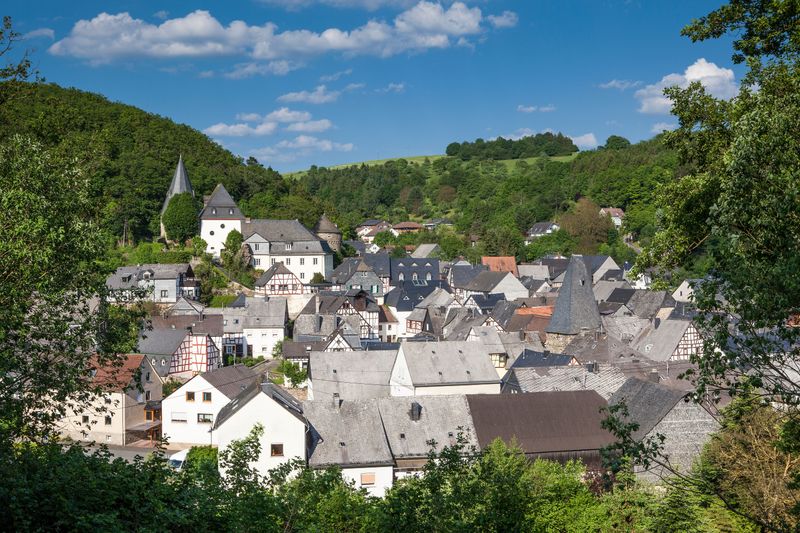
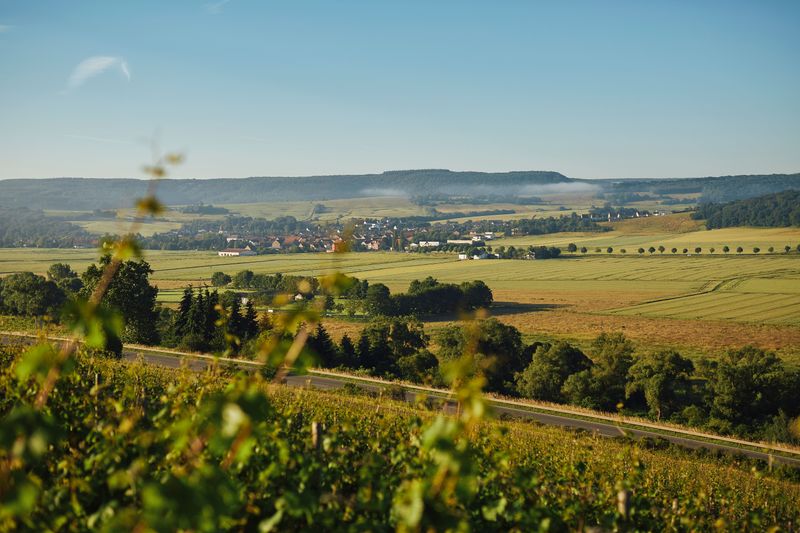
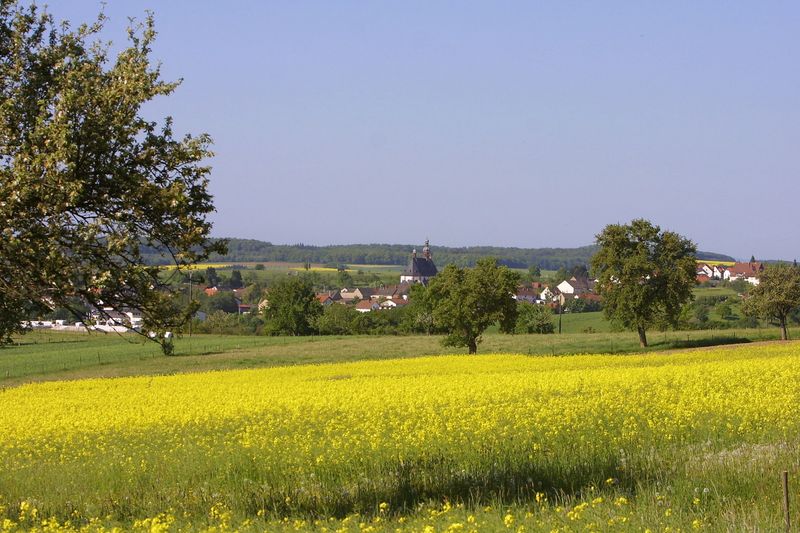
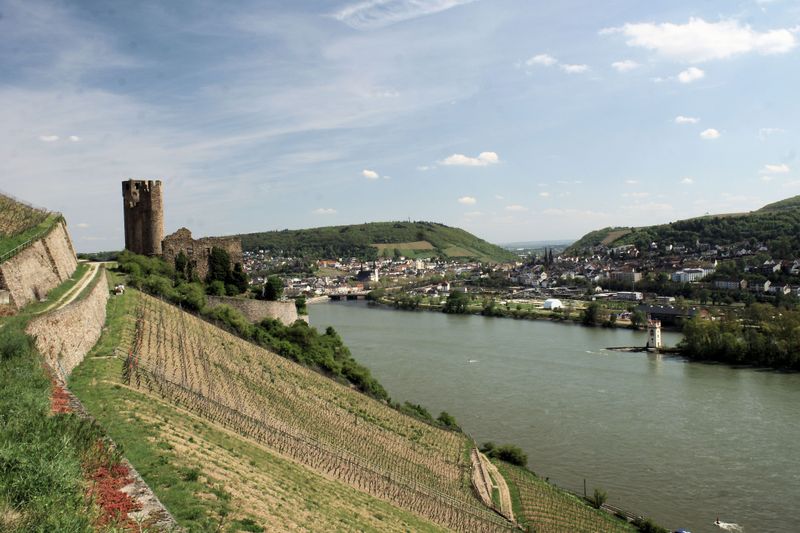
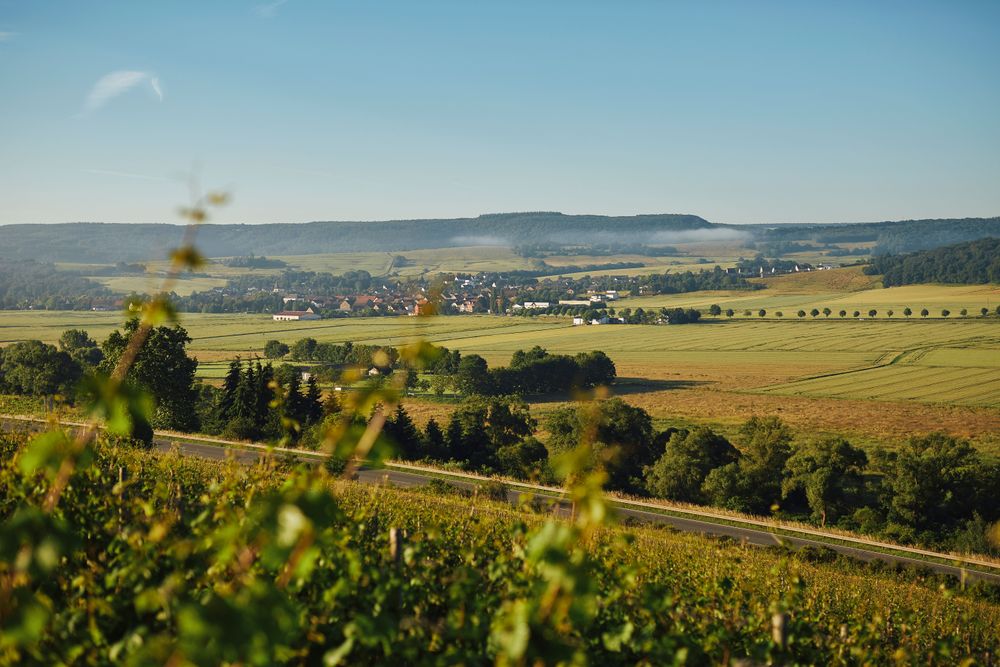
The picturesque stage from Monzingen via Bad Sobernheim to Staudernheim is lined with vineyards and offers beautiful views of the Nahe Valley. Monzingen is over 1200 years old and one of the oldest wine villages along the middle Nahe. The old town center, with its beautiful half-timbered houses, narrow streets, and corners, has preserved its charm to this day. A small herb garden has been lovingly established at the Evangelical Church, where some "Hildegard herbs" thrive.

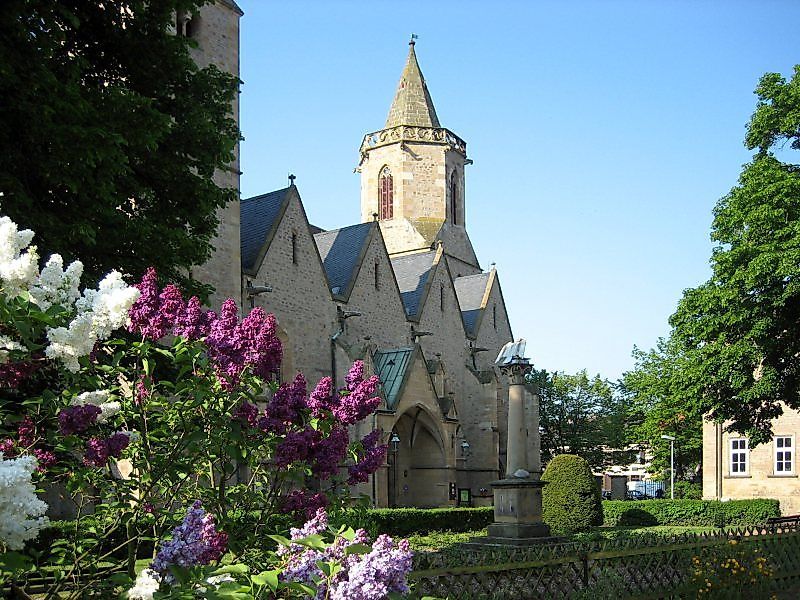
The natural healer Emanuel Felke made Bad Sobernheim known and brought it the status of a recognized spa. The late Gothic chapel of St. Mary has a direct connection to the Disibodenberg monastery. It once belonged to the Bad Sobernheim economic yard of the Disibodenberg monastery and has now been converted into a brewery.
The Priorhof in Bad Sobernheim now houses a local museum. Here, too, a herb garden with important Hildegard herbs has been established.

The village of Staudernheim was first mentioned in 1107, and the history of the village was closely linked to that of the monastery until its dissolution.

Hildegard of Bingen Pilgrimage Trail

Hildegard of Bingen, abbess, poet, theologian, naturalist, and healer, lived her entire life in today's Nahe vacation region.

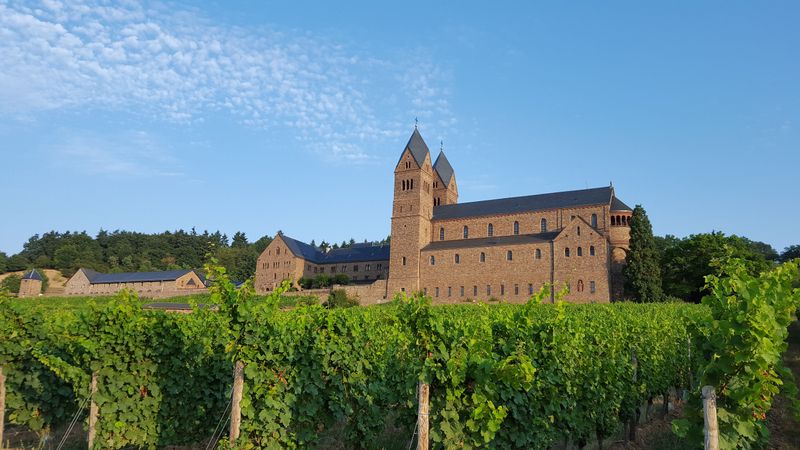
The 137-kilometer-long Hildegard of Bingen Pilgrimage Trail passes various life stations of this probably most famous personality of the Middle Ages. The trail starts in Idar-Oberstein and continues through Niederhosenbach, the family seat and possible birthplace of Hildegard of Bingen, on to Bad Sobernheim. Not far from here is the Disibodenberg Monastery Ruins, where Hildegard spent almost 40 significant years of her life. The pilgrimage trail finally ends in Bingen am Rhein. The Rupertsberg vaulted cellar is located at the site of Hildegard of Bingen's last place of work: in 1150, the saint founded the Rupertsberg monastery, which was her place of creation for 29 years. The final stations of this ecumenical pilgrimage trail are the Hildegard shrine in the pilgrimage church of St. Hildegard Rüdesheim-Ebingen and the Abbey of St. Hildegard Ebingen.

59 information and meditation boards along the entire route provide information about Hildegard's person, her work, and life in the Middle Ages. Pilgrims approach the spiritual side of Hildegard of Bingen through meditation boards that follow visionary images from her main work "Scivias - Know the Ways" and provide impulses for meditation. The boards are written in both German and English.

The Pilgrim's Pass can be stamped at the Naheland Tourism GmbH, the tourist information centers, various way stations, and finally at the Abbey of St. Hildegard in Eibingen.

Short Biography of St. Hildegard of Bingen

1098: Birth of Hildegard of Bingen, probably in Niederhosenbach near Herrstein
1112: Entry into the Disibodenberg monastery near Bad Sobernheim, together with Jutta of Sponheim
1136: Hildegard of Bingen becomes the second magistra in the Disibodenberg monastery after the death of Jutta of Sponheim
around 1150: Foundation of a women's monastery in Bingen am Rhein
September 17, 1179: Hildegard of Bingen dies in Bingen am Rhein
May 10, 2012: Canonization of Hildegard of Bingen by Pope Benedict XVI
October 7, 2012: Elevation to Doctor of the Church
Total Distance Pilgrimage Trail

Length
approx. 10 km
Duration
approx. 3 hrs
Difficulty
2/3
Fitness
3/6
Experience
4/6
Landscape
5/6
Ascent
111 m elev.
Descent
104 m elev.
Season recommendation
Jan
Feb
Mar
Apr
May
Jun
Jul
Aug
Sep
Oct
Nov
Dec
Scenic Refreshment opportunity Stage tour From A to B Cultural / historical
4
4
4
4
4
4
4
4
4
4
4
4

Additional information

The fourth stage leads from the 1200-year-old wine-growing community Monzingen to the center of the Hildegard path, and this in two respects. On the one hand, the Disibodenberg, where Hildegard of Bingen lived for about forty years from 1112 to 1150, is actually located in the middle of the hiking trail and also forms the spiritual heart of the "Land of Hildegard" for many. On the other hand, Hildegard's healing practices are also at the center today, which is the most important reason for many people to engage with the saint. This healing practice is also the theme of the daily text, which is written by Dr. med. Michael Ptok, the chairman of the International Hildegard Society e.V.

We begin at the herb garden of Monzingen, where the Hildegard board on the topic of "Plants" (Board 18) can be examined alongside the culinary herbs growing here. The list of the 217 herbs and staple foods mentioned by Hildegard in the first book of Physica and their applications, which can be found in the pilgrimage book, can also be viewed.

The path continues through vineyards to the nearby Nussbaum, where the wine hiking trail Rhein-Nahe continues alongside. At the village square in Nußbaum, the board on "Healing Herbs" (Board 19) can be found for the first time, which is also located at several other places in Bad Sobernheim (at Hevert Pharmaceuticals, in the Rhineland-Palatinate Open-Air Museum, and at the Priorhof). At the village exit of Nussbaum, Hildegard's book on "Land Animals" (Board 20) is the topic.

The path then leads to Bad Sobernheim, which has become known as a Felke spa. In Bad Sobernheim, a meditation board near the Disibodenberg chapel addresses Hildegard's vision of the "Synagogue" (Board 21). This late Gothic chapel of St. Mary once belonged to the Bad Sobernheim economic yard of the Disibodenberg monastery and has now been converted into a brewery, which also invites pilgrims to rest. The path continues along the popular barefoot path, where "Hildegard's Healing Practices" (Board 22) is the topic.

After crossing the Nahe (Celtic: wild river), a visit to the "Natural History Museum" on the way to Staudernheim is worthwhile, where the board on "Hildegard's Natural Science" (Board 23) is located.

At the end of the stage, meditation can be done at the Catholic Church on Hildegard's vision of the "Angels" (Board 24) and at the Evangelical Church on Hildegard's vision of the "Redeemer" (Board 25).

Hiking shoes recommended!

Our tips for a carefree hiking experience:

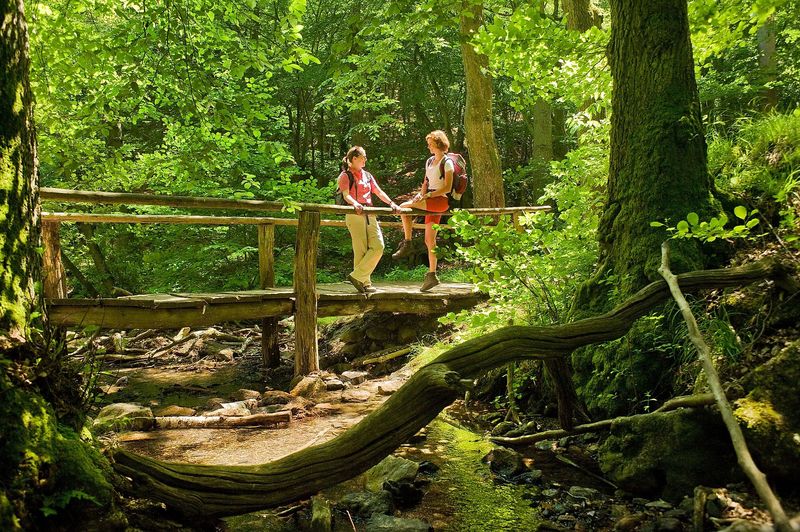
Hiking is the perfect sport. With the right clothing and shoes, it is twice as much fun. Functional clothing, trekking poles, and breathable backpacks are comfortable while hiking. However, good shoes are essential. Sturdy jogging or leisure shoes are only suitable for short distances on flat paths. For longer trails, we recommend stable hiking shoes with a grippy, non-slip sole. Also, think about sun protection and bring a drink. One liter of water is ideal.

A detour to the Rhineland-Palatinate Open-Air Museum in the Nachtigallental and the first and only 3,500-meter-long Barefoot Path Bad Sobernheim, located directly on the Hildegard path, is worthwhile.

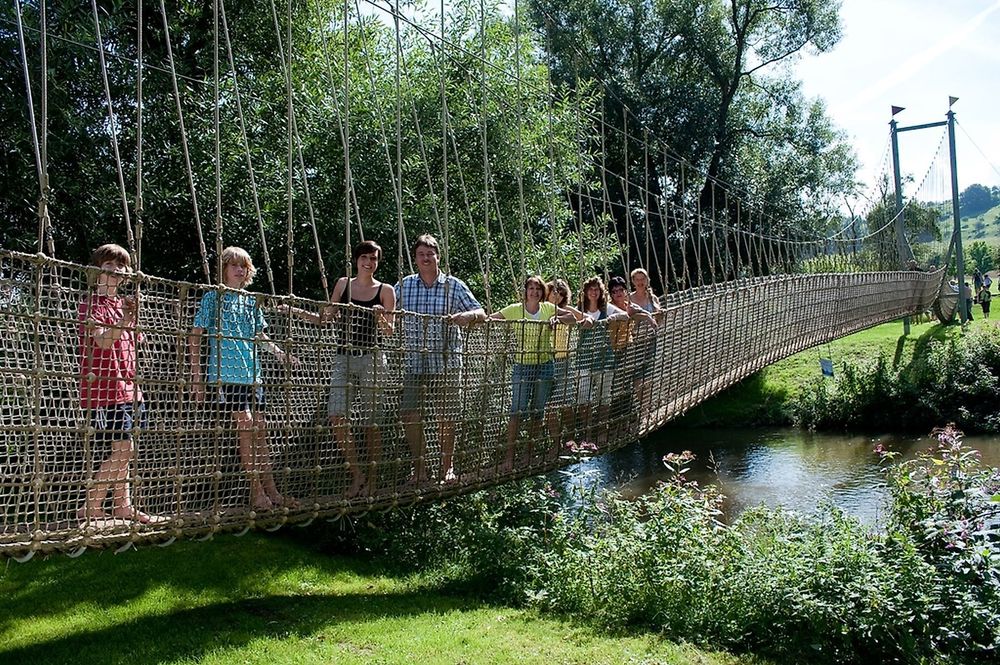
Guests experience a reflex zone massage while walking over various ground materials such as sand, pebbles, bark mulch, and clay on the Barefoot Path. Special features: pedestrian suspension bridge, ford, boat crossing. Dogs are not allowed.

Over the last 30 years, nearly 40 historical houses have been dismantled stone by stone and wood by wood on-site and authentically rebuilt in the 35-hectare area of the Rhineland-Palatinate Open-Air Museum. They represent the various regions of Rhineland-Palatinate divided into four construction groups. Village blacksmith and watermill, merchant's shop and bowling alley, winemaker and farmhouses, and many other buildings invite you to an entertaining and informative journey into the past.

More information & GPX download

In the tour planner you will find all further information, e.g. on route changes, closures or diversions, as well as the GPX file for download.

To the tour planner (www) Download GPX


You might also be interested in

All Pilgrimage Stages

From Idar-Oberstein to Bingen