


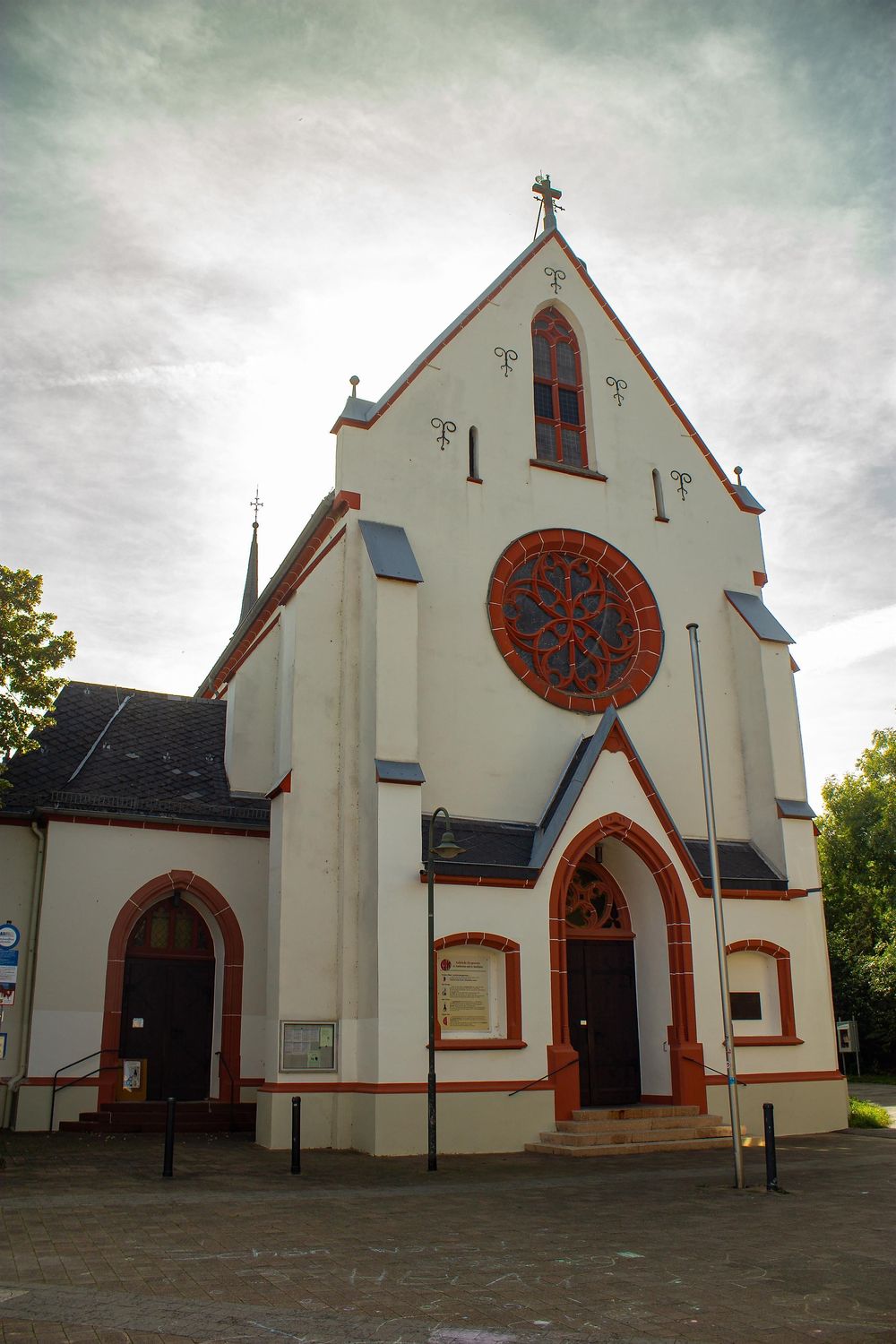
The Herb Church St. Pankratius and Bonifatius in Gaulsheim, a picturesque district of Bingen, rises as a harmonious blend of religiosity and natural healing. Built in 1899 in the neo-Gothic style, the church is dedicated to the Roman martyr St. Pankratius. However, its significance goes beyond the religious, as it is an 'open church' that welcomes visitors. During the winter months, from 10 AM to 3 PM, and in the summer until 4 PM, guests can immerse themselves in a world where spirituality meets botanical diversity.
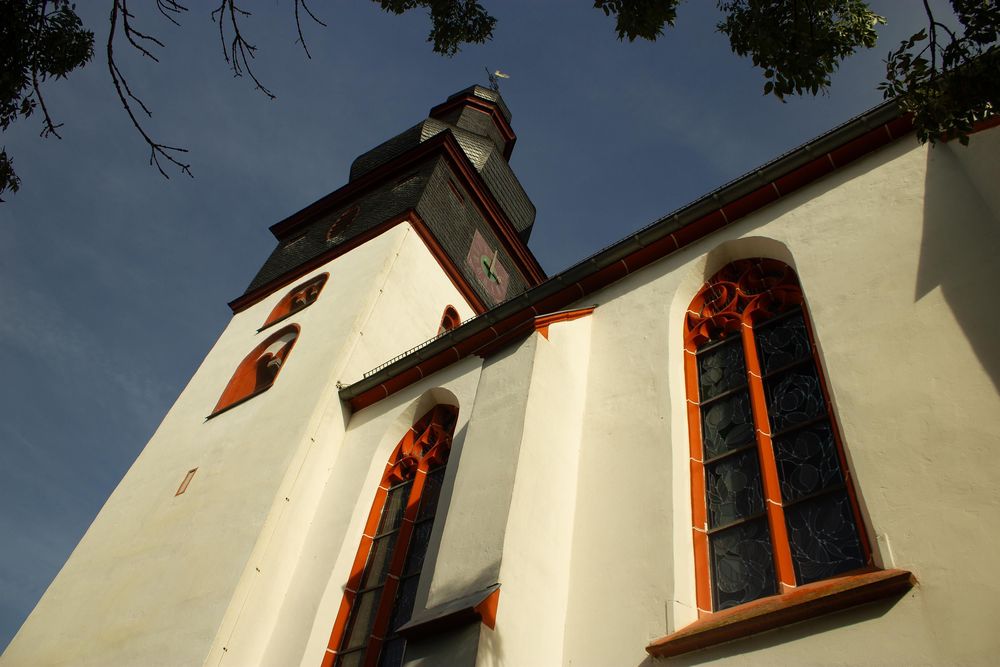
A special feature of the Herb Church is the modern stained glass windows, which enhance the spiritual experience with intricate depictions. The ceilings and walls of the church are adorned with paintings of various healing herbs, creating a unique connection between faith and nature.
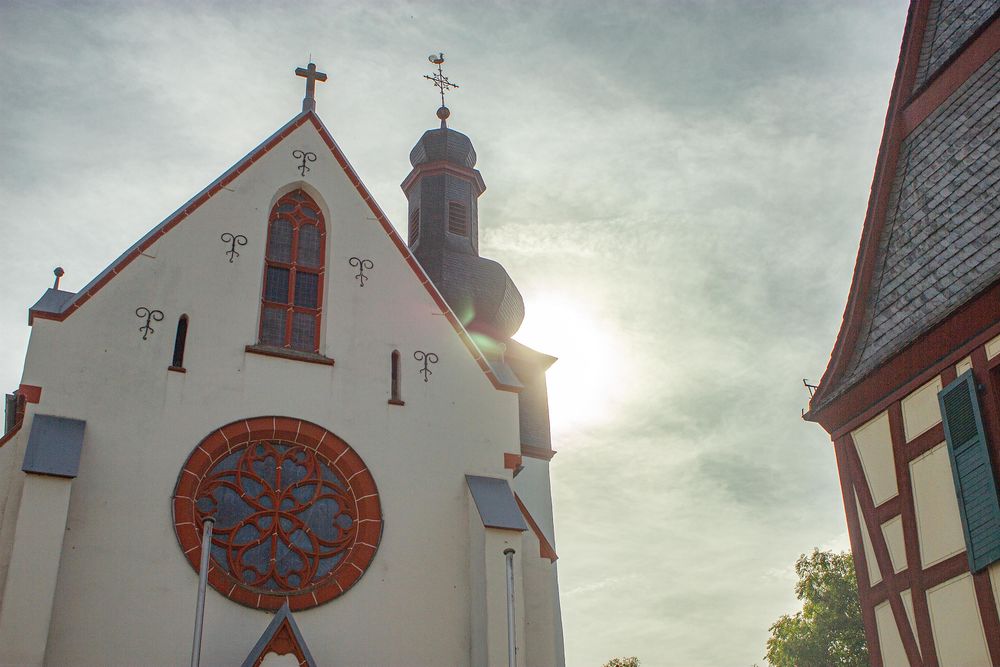
The house of worship also offers a glimpse into the architectural eras it has experienced. The church tower tells a fascinating journey through time, as it bears signs of Romanesque, Gothic, and Baroque styles. This architectural diversity makes a visit to the church not only a spiritual experience but also a journey through the history of architecture.
The location of the Herb Church along the Rhine Cycle Path and the Cross-Rhine Cycling Tour adds another dimension, as it serves as an interesting stop for cyclists who wish to discover not only the scenic beauty of the region but also its cultural heritage.
Herb Church St. Pankratius & Bonifatius
The herb church of St. Pancratius and Bonifatius in Gaulsheim, Bingen, is a fascinating...
Categories
Opening hours
Winter: 10 AM - 3 PM
Summer: 10 AM - 4 PM
Address
Mainzer Str. 391
55411
Bingen-Gaulsheim
(DE)
Coordinates
Lat: 49.966057
Long: 7.959717
More information
The Herb Church of St. Pankratius and Bonifatius in Gaulsheim, Bingen, is a fascinating combination of a religious site and botanical magic. Built in 1899 in the neo-Gothic style, the church is dedicated to the Roman martyr St. Pankratius. In addition to the opportunity to walk in the historical footsteps of various architectural eras, the church is characterized by modern stained glass windows and artistic paintings featuring medicinal herbs. The "open church" is a point of attraction for visitors who wish to gain insight into this extraordinary spiritual and cultural experience between 10 AM and 3 PM in winter and until 4 PM in summer. Its location on the Rhine Cycle Path and the Cross-Rhine Cycling Tour also makes it an interesting stop for cycling tourists.
The Herb Church of St. Pankratius and Bonifatius in Gaulsheim, a picturesque district of Bingen, rises as a harmonious fusion of spirituality and natural healing. Built in 1899 in the neo-Gothic style, the church is dedicated to the Roman martyr St. Pankratius. However, its significance goes beyond the religious, as it is an "open church" that opens its doors to visitors. During the winter months between 10 AM and 3 PM and in the summer until 4 PM, guests can immerse themselves in a world where spirituality meets botanical diversity.
A special feature of the Herb Church is the modern stained glass windows, which deepen the spiritual experience with artistic representations. The ceilings and walls of the church are adorned with paintings of various medicinal herbs, creating a unique connection between faith and nature.
The church also offers a glimpse into the architectural eras it has experienced. The church tower tells a fascinating journey through time, as it bears signs of Romanesque, Gothic, and Baroque styles. This architectural diversity makes visiting the church not only a spiritual experience but also a journey through the history of architecture.
The location of the Herb Church on the Rhine Cycle Path and the Cross-Rhine Cycling Tour adds another dimension, as it is an interesting stop for cycling tourists who wish to discover not only the scenic beauty of the region but also its cultural heritage.