


600 years alone on the island
The Pauluskirche
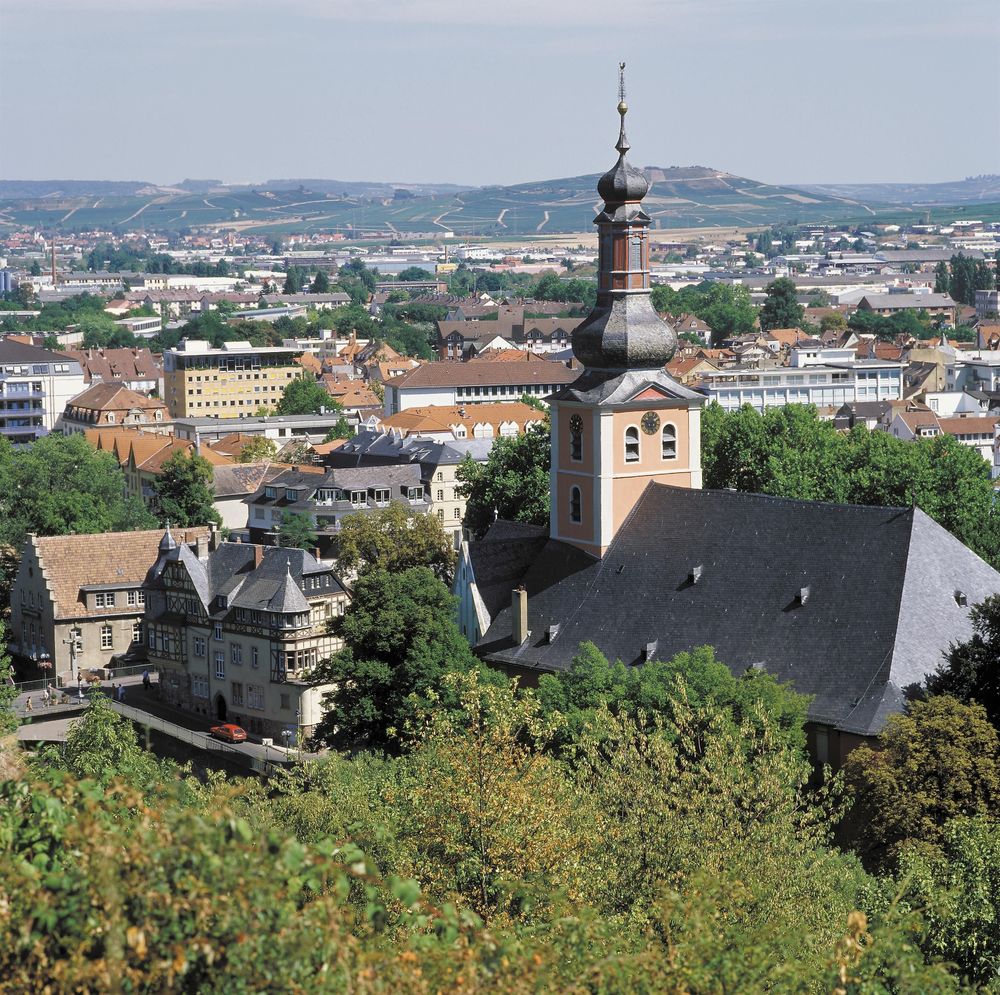
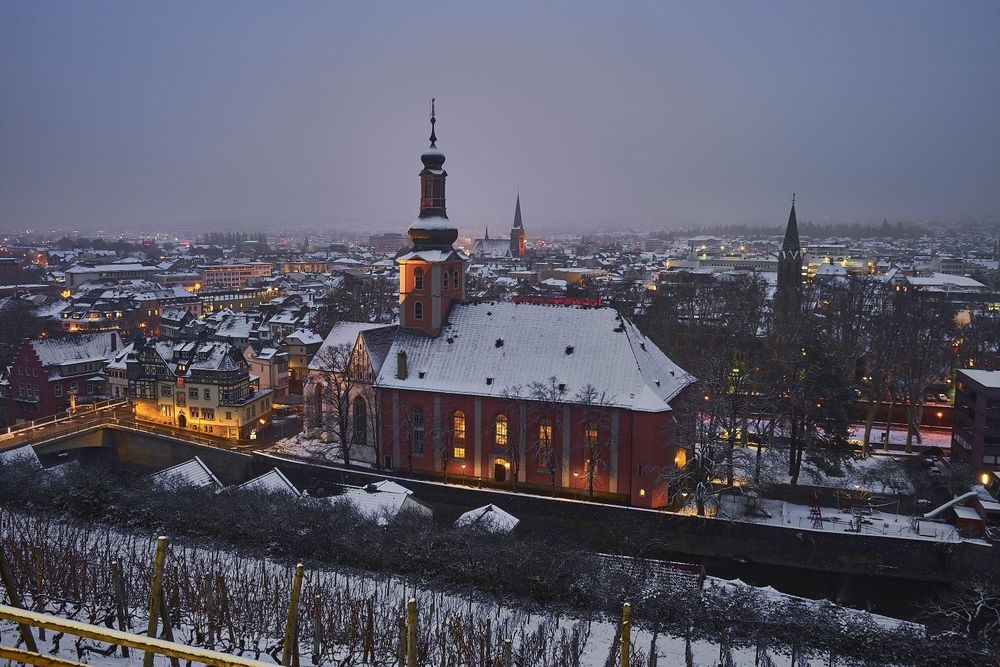
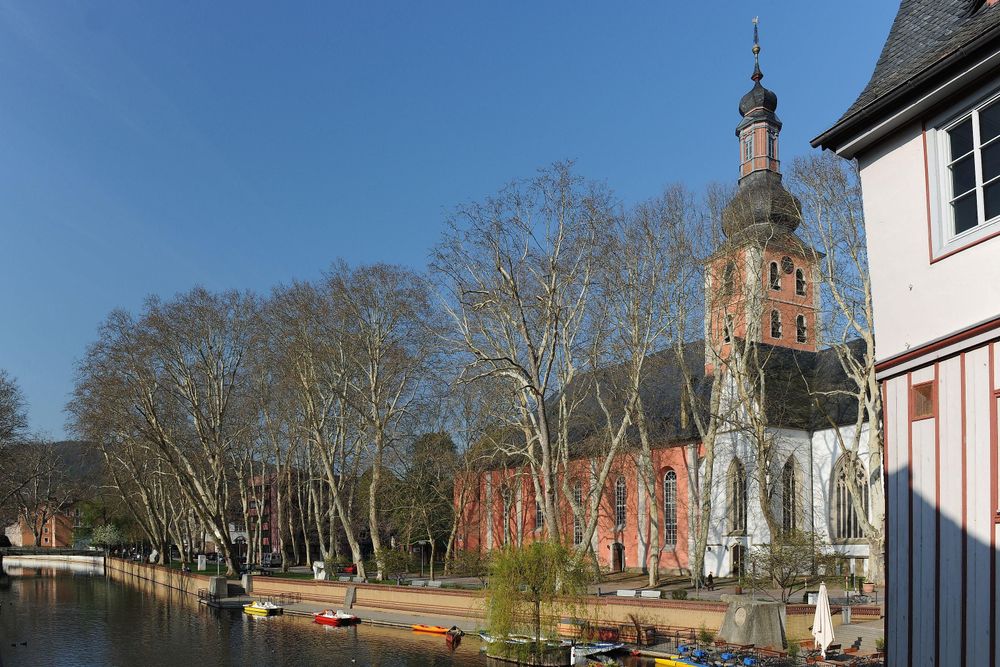
Out of the pedestrian zone, into the largest church nave between Mainz and Trier, not far from the Old Nahe Bridge. The space impresses with its simple size. The extensive renunciation of decorative embellishments is in the tradition of the Reformed community, which has used the church as the dominant confession since 1585. Visitors are enveloped by light, tranquility, and harmony. Only the pulpit made of oak wood draws attention. On the soundboard sits a boy interpreted as an angel without wings, holding a Bible and a cross. The altar, organ, and pulpit form a unity. It is noteworthy that this church has two main organs. The history of this house of worship reflects the history of the city. When the Counts of Sponheim newly founded Kreuznach as a double city on both sides of the Nahe, they gave it a sacred center on the island between the two districts with the church consecrated in 1332 after 20 years of construction. The cemetery was also located by the church. No other buildings existed on the island between the two river arms until the development of the spa area. During the Reformation era in 1557, the church became Lutheran, later Reformed, and in 1817 the Protestant communities united. However, the Catholics also had usage rights. Thus, the coexistence of the Christian confessions in the city is evident in the Pauluskirche. Only the Gothic choir remains from the medieval church. French troops destroyed it in 1689. It took 100 years for the reconstruction. Since 1781, the church has appeared in its current form, with the choir being transformed from a ruin into a beautiful chapel by English spa guests 80 years later, where tombstones of the Sponheimers and other nobles are embedded in the wall. The church was ruined again during the bridge explosion, so it could only be used again in 1954. The connection to the city is shown by the church clock, which belongs to the city and serves as a town clock. The ringing of the three bells, which together weigh six tons, also tells the citizens what time it is.
Pauluskirche
The Pauluskirche is located at the beginning of the spa area on an island formed by the Nahe and Mühlenteich....
Categories
Contact details
Phone: +49 0671 74798 Website: https://kreuznach.ekir.de
Opening hours
Monday: closedTuesday: 10:00 - 12:00 PM
Wednesday: 5:30 PM - 7:00 PM
Thursday: closed
Friday: 10:00 - 12:00 PM
Saturday: closed
Sunday: 11:00 - 12:30 PM
Address
Kurhausstraße 2
55543
Bad Kreuznach
(DE)
Coordinates
Lat: 49.844334
Long: 7.856842
More information
600 years alone on the island
The Pauluskirche
Out of the pedestrian zone, into the largest church nave between Mainz and Trier near the Old Nahe Bridge. The space impresses with its simple size. The extensive renunciation of decorative embellishments is in the tradition of the Reformed congregation, which has used the church as the dominant confession since 1585. Visitors are enveloped by light, tranquility, and harmony. Only the pulpit made of oak wood draws attention. On the soundboard sits a boy interpreted as an angel without wings, holding a Bible and a cross. The altar, organ, and pulpit form a unity. It is noteworthy that this church has two main organs. The history of this house of God reflects the history of the city. When the Counts of Sponheim founded Kreuznach as a double city on both sides of the Nahe, they gave it a sacred center on the island between the two parts of the city with the church consecrated in 1332 after 20 years of construction. The cemetery was also located by the church. No other buildings existed on the island between the two river arms until the development of the spa area. In the Reformation era of 1557, the church became Lutheran, later Reformed, and in 1817 the Protestant congregations united. However, the Catholics also had usage rights. Thus, the coexistence of Christian confessions in the city is evident in the Pauluskirche. Only the Gothic choir remains from the medieval church. French troops destroyed it in 1689. It took 100 years for the reconstruction; since 1781, the church has appeared in its current form, with the choir being transformed from a ruin into a decorative chapel by English spa guests 80 years later, where tombstones of the Sponheimers and other nobles are embedded in the wall. The church was ruined again during the bridge demolition, so it could only be used again in 1954. The connection to the city is shown by the church clock, which belongs to the city and serves as a town clock. The ringing of the three bells, weighing a total of six tons, also tells the citizens what time it is.
The Pauluskirche is located at the beginning of the spa area on an island formed by the Nahe and Mühlenteich. Consecrated in 1332 after 20 years of construction, the Pauluskirche was the first parish church in the city newly founded by the Counts of Sponheim. Since 1555, the Pauluskirche has been a Reformed church and is therefore kept simple. After being destroyed by French troops in 1689, the main church was rebuilt in the late Baroque style in 1781. The oldest part, the Gothic choir, was renovated as the "English Chapel" by English spa guests (around 1860) and is equipped with medieval tombstones. The Pauluskirche - the largest church building between Mainz and Trier - has special significance as a site of church music - a new organ was consecrated in 2012.