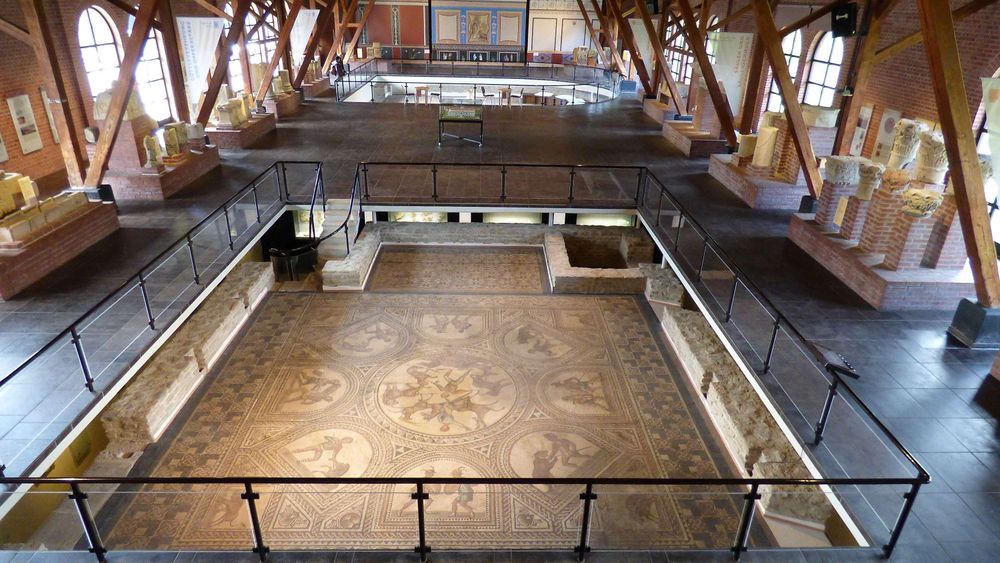
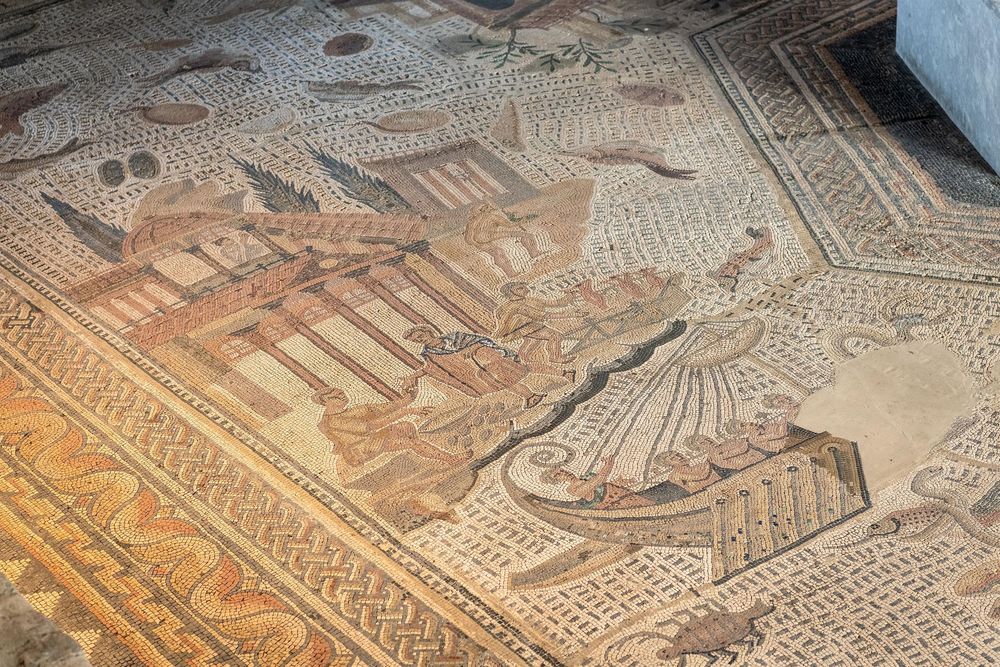
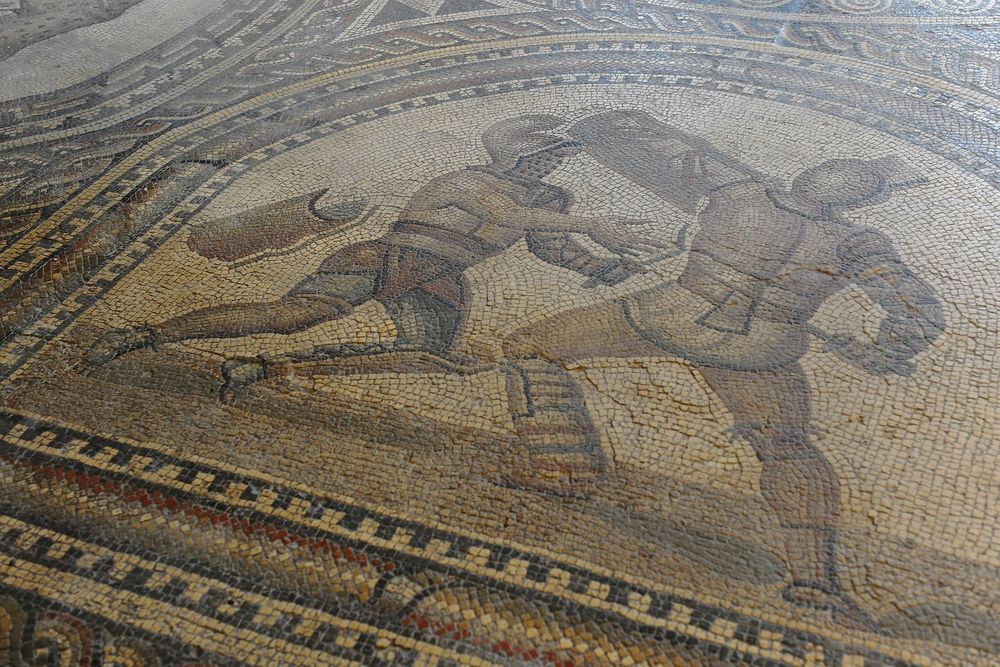
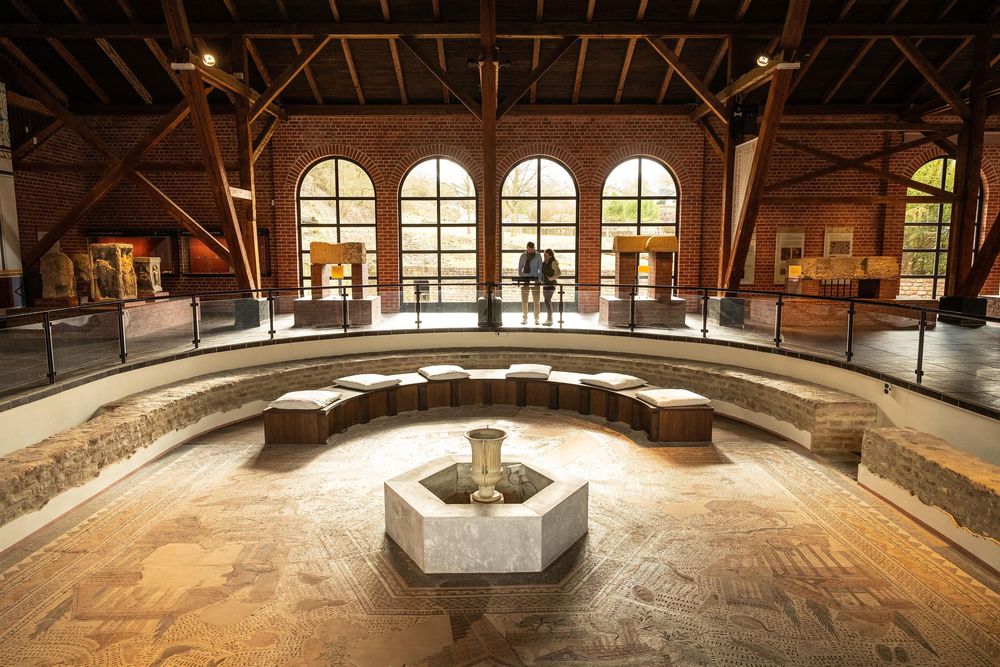
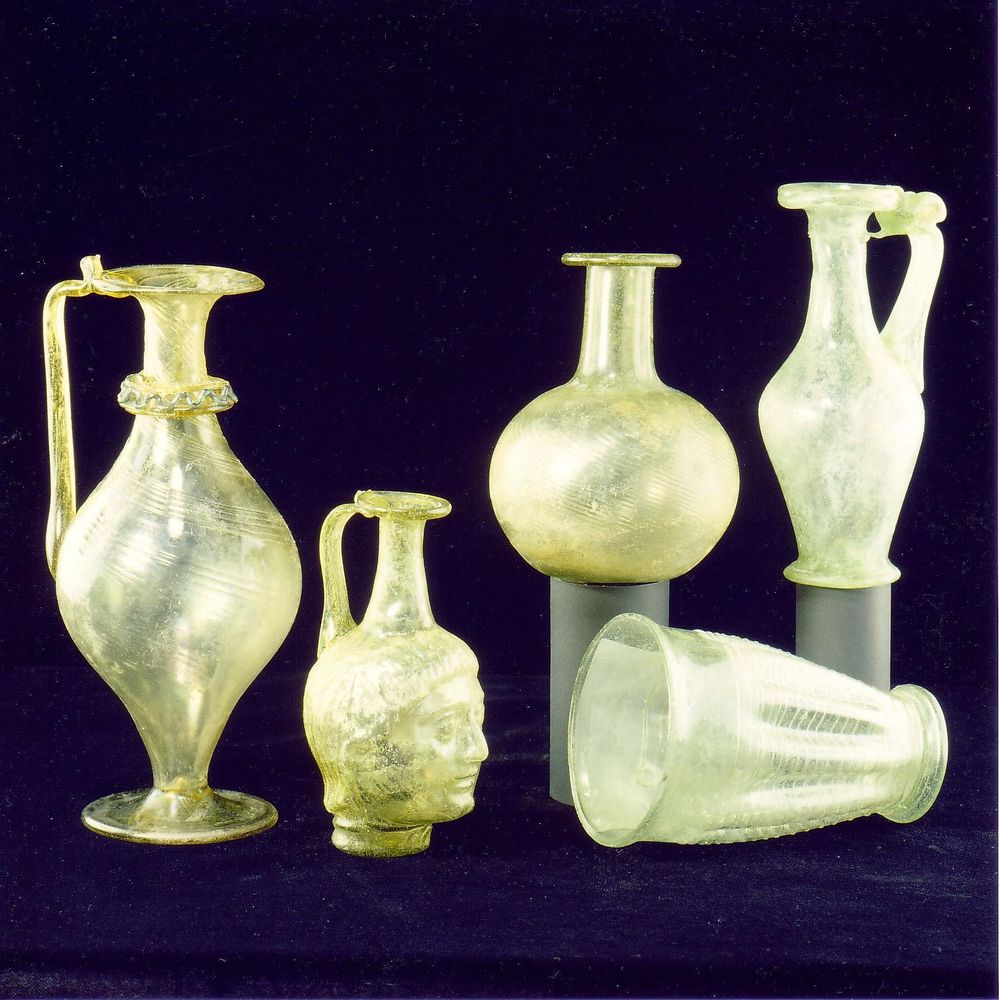
300 years of Roman culture and history on the banks of the Nahe River! In a rustic setting, the exhibition showcases excavation finds from a colossal palace villa from the Roman "cruciniacum," which once stood at the site of the museum. The exhibition presents the luxury of wealthy Romans at the Rhine border of the Roman Empire. At the center are two magnificent mosaic floors (Gladiator mosaic, Oceanus mosaic), images of gods, tomb monuments, glass art, and everyday objects.
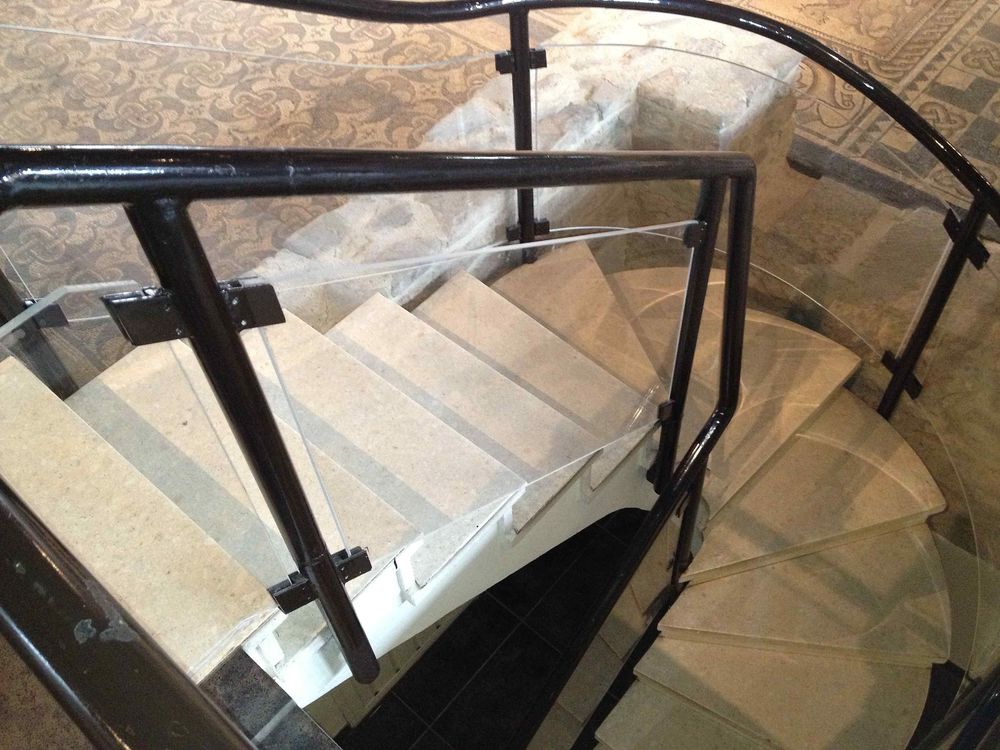
Immediately next to the Roman Hall are the walkable architectural remains of a Roman luxury villa from the 2nd century AD, which is an outstanding example of Roman villa architecture north of the Alps. Among the exhibits from this villa, the two almost completely preserved mosaic floors, dating to the 3rd century AD, hold particular significance. The approximately 58 m² Gladiator mosaic was heated - the ancient underfloor heating beneath the mosaic impressively demonstrates the construction of this facility. The lively, dramatically arranged image fields of the Gladiator mosaic depict the scenario in an amphitheater: animal fights, beast fights, and the duels of the gladiators. The 68 m² Oceanus mosaic comes from the central representation room of the villa. Dominating the image is the sea god, flanked by two hippocamps (sea horses). His realm is symbolized by a variety of detailed depictions of sea creatures as well as a Mediterranean coastal landscape with architectures and scenic representations of ships and merchants. The center of the room is adorned with a marble-clad water basin with a marble crater, reconstructed based on excavation finds. A partially preserved inscription allows for dating to the year 234 AD.
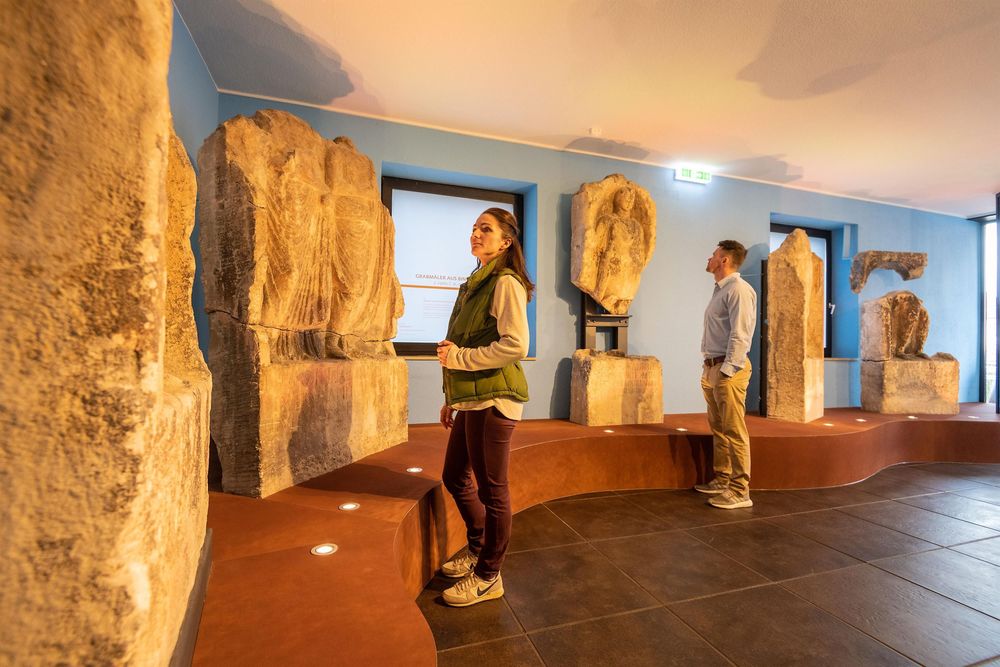
The soldier tombstones from Bingerbrück
The tombstones of the soldiers from the burial field of Bingerbrück are among the most significant finds in the Roman Hall, alongside the mosaic floors, as they provide important information about Roman military history. With their almost life-sized portraits, they convey a realistic impression of the auxiliary soldiers (auxiliary troops) who were recruited as reinforcements for the legions or as lightly armed special units. Hairstyles, clothing, and weaponry are detailed by the stone masons, and in antiquity, there was also a clarifying color application.
The inscriptions mention, in addition to the names of the soldiers, their unit, years of service, and age, as well as their origin: Dalmatia, Pannonia, the Phoenician city of Sidon, and the island of Crete, predominantly from eastern regions of the Roman Empire.
The stationing of Roman military troops in Bingen is so far only documented by these soldier tombstones and other imperial-era inscription stones; the archaeological evidence of the early imperial fort is still pending.